Small Garden Ideas UK: 25 Realistic Ways to Improve a Small Garden
Small gardens can be awkward.
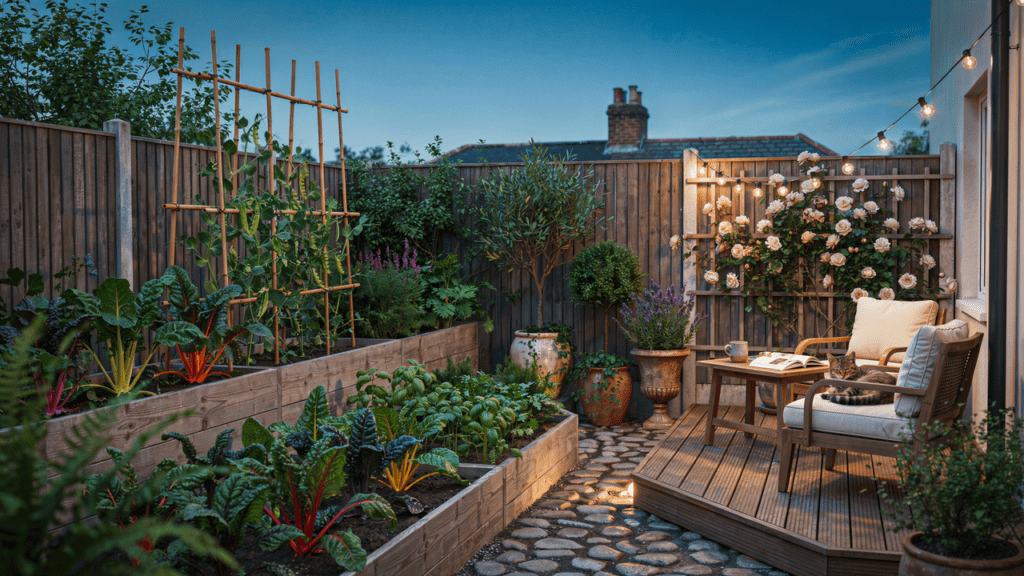
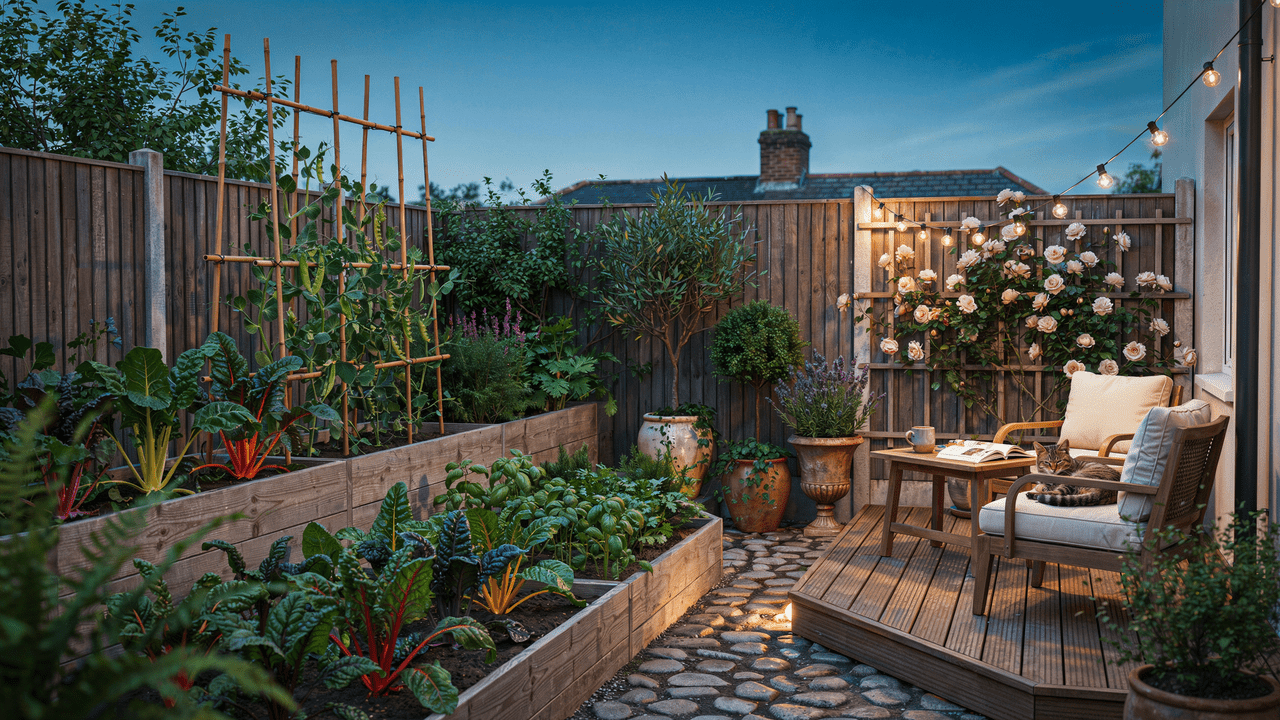
They are often overlooked by neighbours, short on storage, partly paved, partly muddy, and somehow never quite big enough for all the things you want to do with them.
You might want a seating area, a bit of lawn, some raised beds, a greenhouse, a BBQ corner, a shed, a pond and somewhere to dry the washing. Then you look at the actual size of the garden and realise something has to give.
The good news is that a small garden can still be a lovely, useful space. It just needs a bit of planning.
You do not need a huge budget or a full professional makeover to make a difference. Sometimes the best changes are simple: better seating, cleaner edges, smarter storage, a few strong plants, and making the garden feel less cluttered.
Here are 25 realistic small garden ideas for UK homes.
1. Start by clearing what you do not need
Before buying anything new, clear out what is already making the garden feel messy.
Old pots, broken furniture, unused toys, cracked planters, dead plants, spare bricks, bags of compost and random bits behind the shed can all make a small garden feel even smaller.
A proper clear-out gives you a better idea of the space you actually have. It also helps you see what needs fixing first.
Sometimes a garden looks like it needs a full makeover, but actually it just needs clearing, cleaning and organising.
2. Create one main seating area
In a small garden, it is usually better to have one good seating area than several tiny ones.
Choose the place where you are most likely to sit. This might be near the house, at the sunniest part of the garden, or tucked away at the back where it feels more private.
A simple bistro set, small corner sofa, bench or two chairs and a table can be enough.
The aim is not to fill the garden with furniture. The aim is to create one comfortable place where you actually want to spend time.
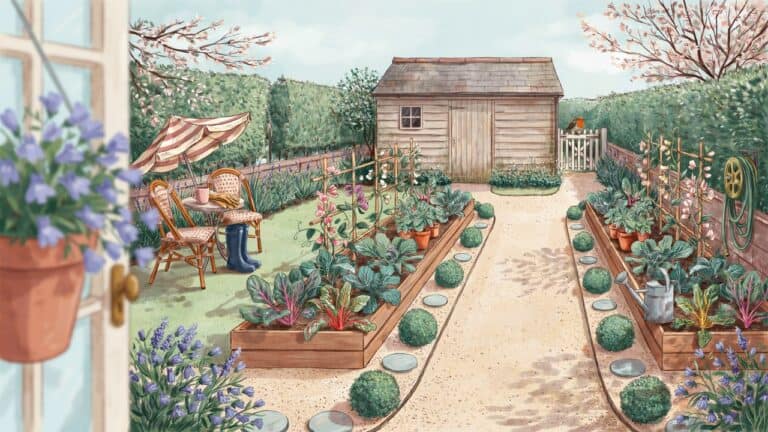
3. Use raised beds to make planting tidier
Raised beds are great for small gardens because they make planting look organised.
They can be used for flowers, herbs, vegetables, shrubs or a mix of everything. They also help separate the garden into clear zones, which can make the space feel more designed.
Timber raised beds work well in a rustic garden. Metal or composite raised beds can suit a more modern style.
If your garden is mostly concrete or paving, raised beds are also a good way to bring in greenery without digging up the whole garden.
4. Add large pots instead of lots of tiny ones
Tiny pots can make a small garden feel cluttered.
A few larger pots usually look better and are easier to manage. They hold more compost, dry out less quickly and give plants more room to grow.
Try placing large pots near the seating area, beside a shed, along a fence or by the back door.
You can use them for small trees, grasses, herbs, lavender, ferns, hydrangeas or evergreen shrubs.
5. Paint the fence
Fence paint can completely change the feel of a small garden.
Dark colours like black, charcoal, forest green or deep brown can make plants stand out and help the boundaries fade into the background. Softer colours like sage green, cream or pale grey can make the space feel lighter.
A tired fence can make the whole garden look neglected, even if everything else is tidy.
Painting it is one of the quickest ways to make a small garden feel more finished.
6. Use vertical space
When floor space is limited, use the walls and fences.
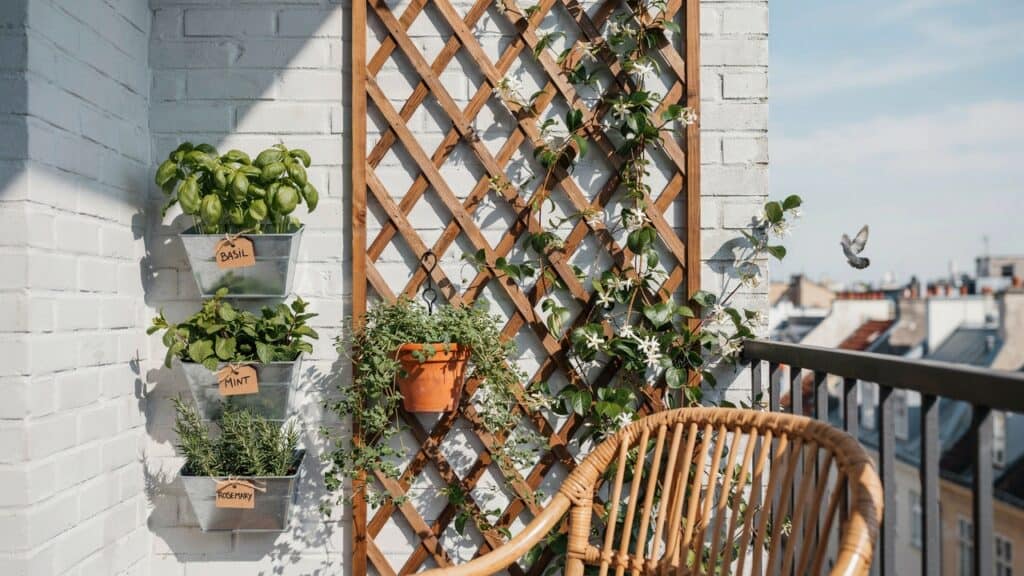
You can add:
- Wall planters
- Hanging baskets
- Climbing plants
- Trellis
- Shelves
- Fence-mounted herb planters
- Outdoor mirrors
- A living wall
Vertical planting draws the eye upwards and makes the garden feel more interesting. It is especially useful in narrow gardens, patios and courtyard-style spaces.
7. Add a simple path
A path gives a small garden structure.
It does not have to be expensive. Gravel, stepping stones, bark, reclaimed slabs or simple paving can all work.
A path can lead to a shed, seating area, greenhouse, raised bed or small feature at the end of the garden.
Even a short path can make the space feel more intentional rather than just a patch of grass or paving.
8. Make the shed look part of the garden
Many UK gardens have a shed, and in a small garden the shed can dominate the view.
Rather than trying to ignore it, make it part of the design.
You could:
- Paint it a nice colour
- Add planters beside it
- Put trellis on one side
- Add solar lights
- Hang tools neatly inside
- Use it as a backdrop for a seating area
- Add a small gravel area around it
A tidy, painted shed can become a feature instead of an eyesore.
9. Create privacy with screening
Small gardens are often overlooked, especially in terraces and new-build homes.
Privacy screening can make the garden feel more comfortable.
You could use:
- Trellis
- Bamboo screening
- Slatted panels
- Tall planters
- Climbing plants
- Outdoor curtains
- Pergola screens
- Pleached trees
You do not always need to block every view. Sometimes screening just one side or one seating corner is enough.
10. Use lighting to make the garden feel cosy
Garden lighting does not need to be complicated.
Solar lights, string lights, lanterns and wall lights can make a small garden feel much more inviting in the evening.
Good places for lights include:
- Around the seating area
- Along a path
- Near raised beds
- On a shed
- Under a pergola
- In pots or planters
Warm lighting usually works better than bright white lighting because it feels softer and more relaxing.
11. Choose low-maintenance plants
A small garden should not become another job you dread doing.
If you want something easy to manage, choose reliable plants that suit your garden conditions.
Good low-maintenance options can include:
- Lavender
- Rosemary
- Ferns
- Hostas
- Heuchera
- Grasses
- Hydrangeas
- Evergreen shrubs
- Hardy geraniums
- Salvia
The right plants depend on whether your garden is sunny, shady, dry or damp, but the main idea is to choose plants that will not need constant attention.
12. Add a small tree
A small tree can make a garden feel more established.
It adds height, shade, seasonal interest and a proper focal point.
For small gardens, look for compact trees or trees that can be grown in large pots.
A small tree near a seating area, at the end of a path, or in a corner can help the garden feel more complete.
Just make sure you check the mature size before buying. A tree that looks small in the garden centre may not stay small.
13. Use gravel for awkward areas
Gravel is useful for small gardens because it is flexible and often cheaper than full paving.
It can be used for:
- Paths
- Seating areas
- Around raised beds
- Around sheds
- Low-maintenance corners
- Mediterranean-style planting
Gravel can make a messy or awkward area look deliberate. It also works well with pots, sleepers, stepping stones and rustic planting.
14. Hide bins and clutter
Bins can ruin the look of a small front or back garden.
If possible, screen them with a bin store, fence panel, trellis, tall plants or a storage unit.
The same applies to compost bags, tools, watering cans and spare pots. In a small garden, clutter is very visible.
Good storage makes the whole garden feel calmer.
15. Add a small greenhouse or growhouse
If you like the idea of growing plants but do not have much space, a small greenhouse or growhouse can work well.
You do not need a huge greenhouse. There are compact options for patios, side returns, small lawns and paved areas.
A growhouse can be used for seedlings, tomatoes, herbs, chillies and protecting plants from bad weather.
Before buying one, check where the sun hits the garden and make sure you can still move around it comfortably.
16. Create a BBQ corner
A BBQ area does not need to take over the whole garden.
You can create a simple BBQ corner with paving, gravel, a small storage unit, a prep table and a few plants around it.
Keep it practical and safe. Make sure there is enough space around the BBQ and avoid placing it too close to fences, sheds or overhanging plants.
A tidy BBQ corner can make a small garden feel more useful, especially in summer.
17. Use mirrors carefully
Outdoor mirrors can make a small garden feel bigger, but they need to be used carefully.
A mirror on a fence or wall can reflect plants and light, helping the space feel deeper.
Try not to place mirrors where birds may fly into them. It is also better to reflect something nice, such as greenery, rather than bins or a blank wall.
Used well, a mirror can work especially nicely in a courtyard garden or shaded corner.
18. Make a mini wildlife area
Even a small garden can help wildlife.
You could add:
- A small pond
- A bee-friendly planter
- A bird bath
- A log pile
- Native flowers
- A bug hotel
- Climbing plants
- A small wild corner
You do not need to let the whole garden go wild. A small wildlife-friendly section can still make a difference and bring more life into the space.
19. Keep the lawn simple
If you have a lawn, keep the shape simple.
Complicated lawn shapes can make small gardens harder to maintain. A simple rectangle, square, circle or curved edge usually looks cleaner.
If the lawn is tiny and always muddy, it may be worth replacing it with gravel, paving, decking, planting or a mix of surfaces.
A small lawn can look lovely, but only if it suits how you use the garden.
20. Add edging for a neater look
Garden edging is a small detail that can make a big difference.
It helps separate lawn, gravel, borders and paths. It also makes the garden look more cared for.
You can use:
- Timber edging
- Metal edging
- Brick
- Stone
- Sleepers
- Log roll
Even simple edging can make a small garden feel more organised.
21. Use a limited colour palette
Too many colours can make a small garden feel busy.
Try choosing a simple colour palette for furniture, pots, fences and accessories.
For example:
- Green, cream and natural wood
- Black, terracotta and soft planting
- Sage green, gravel and white flowers
- Charcoal, timber and bright green foliage
This does not mean the garden has to be boring. It just helps everything feel more connected.
22. Add cushions and outdoor textiles
Soft furnishings can make a seating area feel much more inviting.
Outdoor cushions, throws and rugs can add colour and comfort without needing major changes.
An outdoor rug can also help define a seating area, especially on a patio or decking.
Just make sure anything you buy is suitable for outdoor use, or store it away when the weather is bad.
23. Use the end of the garden as a feature
In many small gardens, the eye naturally looks towards the end.
Use that area well.
You could add:
- A painted shed
- A bench
- A small tree
- A mirror
- A water feature
- A greenhouse
- A feature planter
- A screen with climbing plants
Making the end of the garden more attractive can make the whole space feel longer and more interesting.
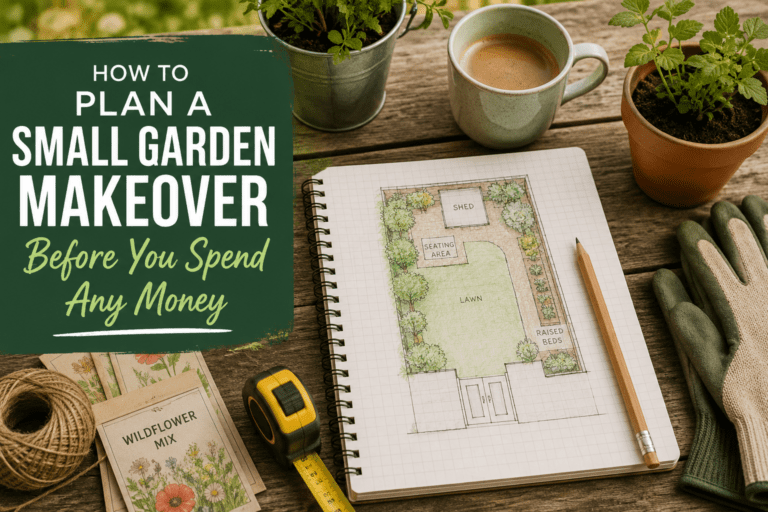
24. Plan before buying
This might sound boring, but it can save a lot of money.
Before buying garden furniture, plants, paving, a greenhouse or a pond kit, make a rough plan.
Think about:
- Where it will go
- How much space it needs
- Whether it blocks anything
- Whether it matches the style
- Whether you will actually use it
Small gardens do not have much room for mistakes, so planning matters.
25. Improve the view from inside
A lot of the time, especially in the UK, you may be looking at your garden from inside the house.
So think about what you see from the kitchen, dining room or back door.
Could you improve that view with a planter, small tree, painted fence, tidy shed, bird bath or seating area?
A garden should look good when you are in it, but it should also be nice to look at when you are indoors.
Final thoughts
A small garden does not have to feel cramped or boring.
With a clear plan, a few practical changes and the right features, even a modest UK garden can become a useful and relaxing space.
Start with the basics: clear the clutter, decide how you want to use the garden, choose one main seating area, add plants, improve privacy and avoid buying too much too soon.
You do not need to do everything at once.
Small changes can still make a big difference.
If you are planning a garden makeover, download the free Small Garden Makeover Checklist to help you plan your layout, budget and must-have features before spending money.
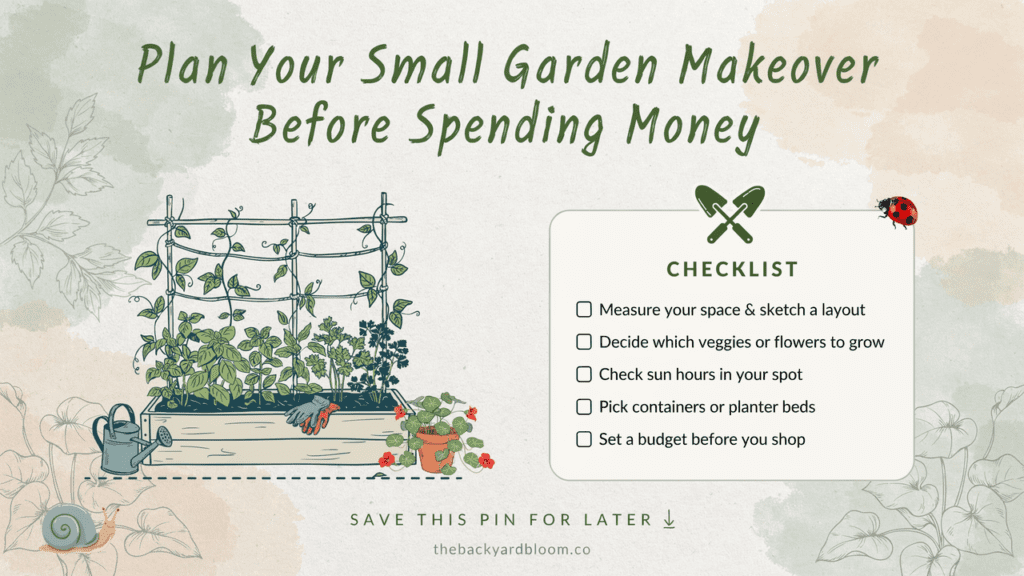
Planning your own small garden makeover?
Download the free Small Garden Makeover Checklist and plan your layout, budget, seating, privacy, planting and must-have features before spending money.